
Newcastle & The Hunter
Pool Removal in Newcastle
This page walks you through your removal options, including full removal and partial removal, what approval looks like, and what the process typically involves.
- Licensed Pool Builder
- 10+ Years Experience
- Free, No-Obligation Quotes
Get a Free Quote
Tell us about your project — we'll get back to you fast.
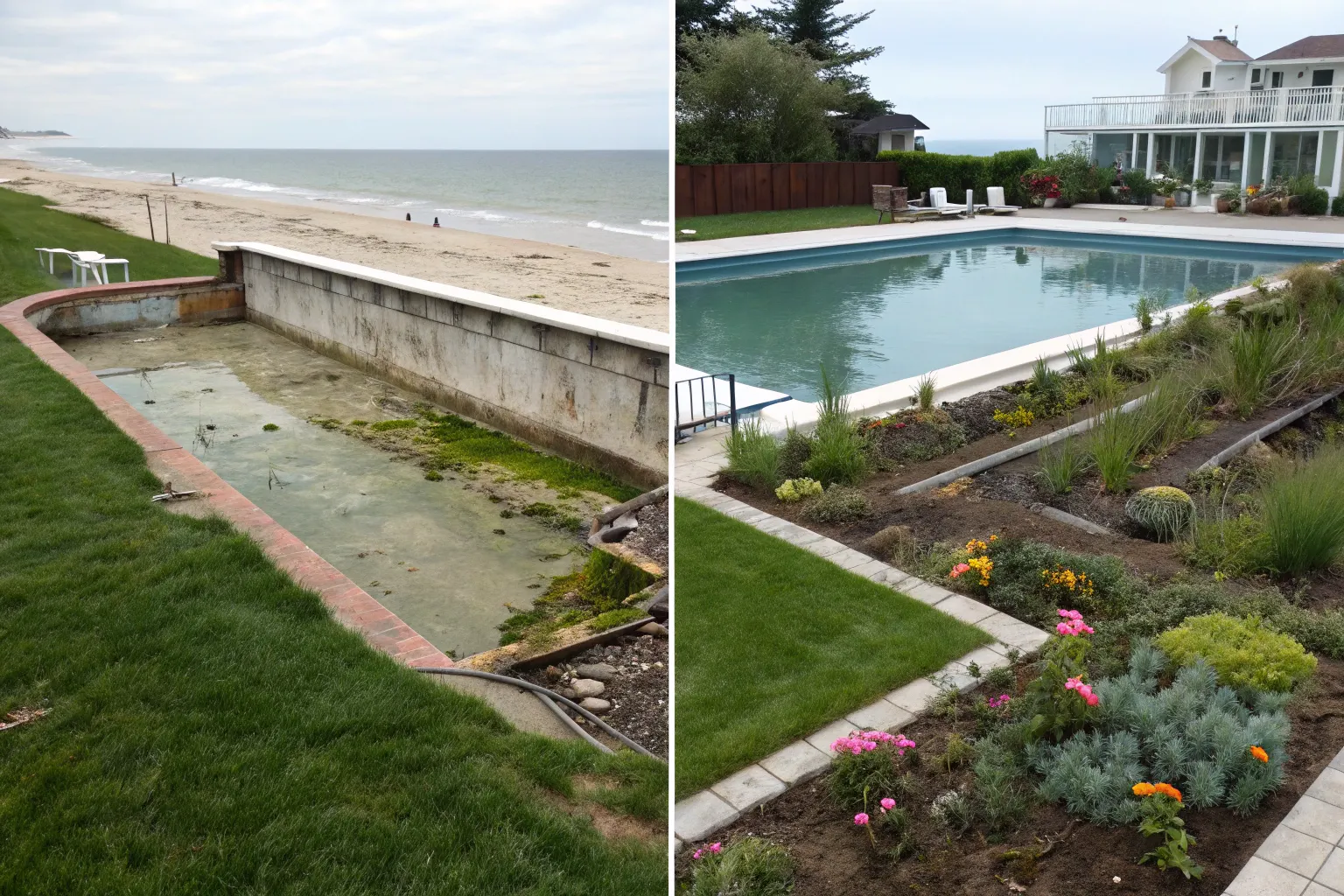
An old or unused pool can turn into more of a burden than a benefit. Cracked shells, failing pumps and unused space all add up, and many Newcastle homeowners reach a point where removal makes more sense than repair.
This page walks you through your removal options, including full removal and partial removal, what approval looks like, and what the process typically involves. If you're ready to explore the right approach for your property, we can start with an assessment of your site. Pool removal is one of our demolition services for Newcastle properties.
Full and Partial Pool Removal Are Two Different Options
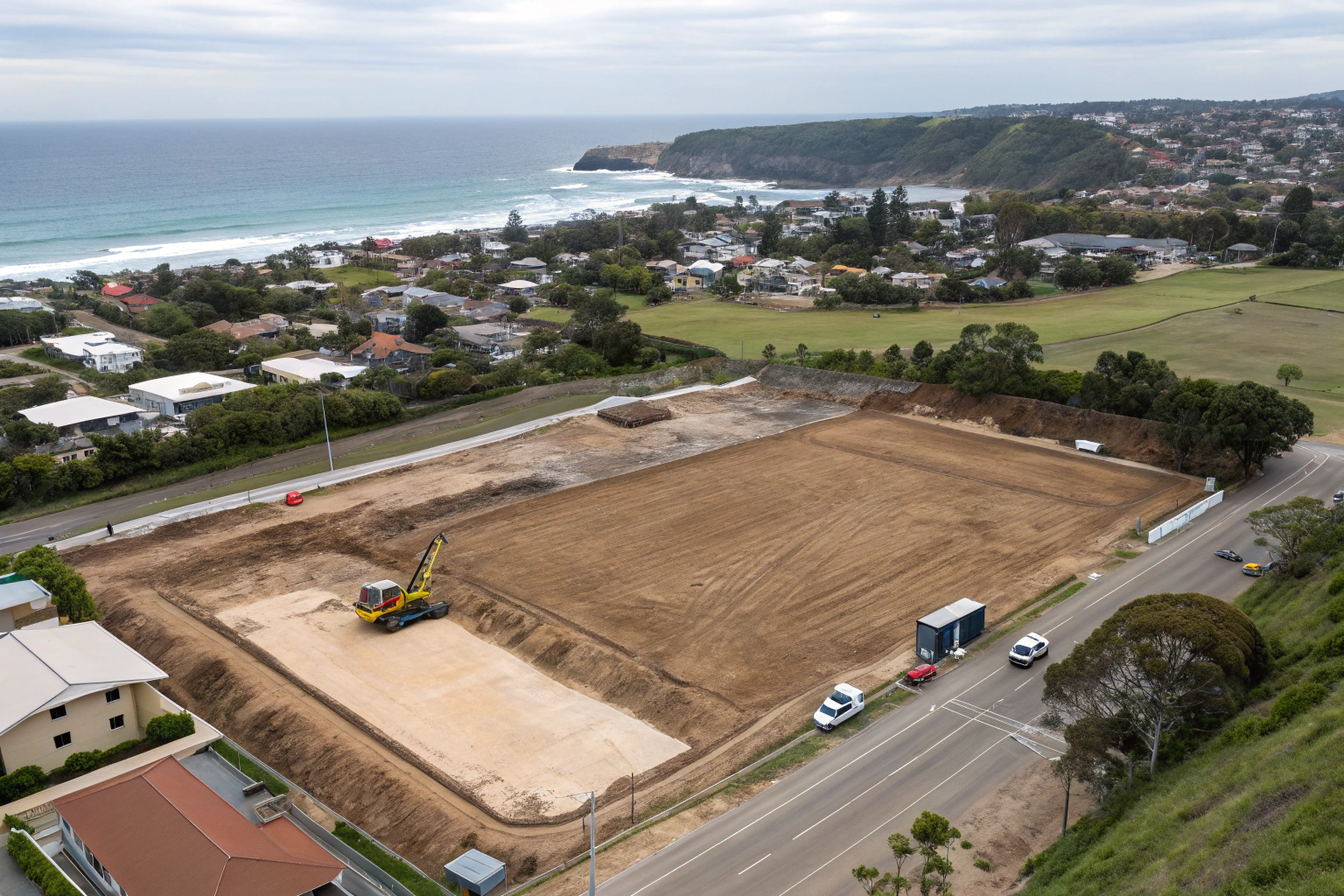
When it comes to pool removal, there are two main approaches: full removal and partial removal.
Full removal means the entire pool shell is demolished and hauled away from the property. This clears the site completely and leaves no structure behind.
Partial removal, sometimes called fill-in, is different. The top section of the shell is removed, drainage holes are cut into the base, and the remainder is backfilled in place.
The option you choose affects how the site can be used afterward. With partial removal, part of the old shell stays buried on the property.
Most Newcastle Pool Removals Are Assessed as Complying Development
Many homeowners want to know if council approval is needed before a pool can come out. In Newcastle, most standard residential pool removals are assessed as complying development.
A development application is typically only required where heritage listings, easements or other overlays apply to the property.
Because every site is different, it's worth confirming the approval pathway with Council or a certifier before booking your removal. You can review the details directly through the City of Newcastle's Complying Development page.
What the Pool Removal Process Involves
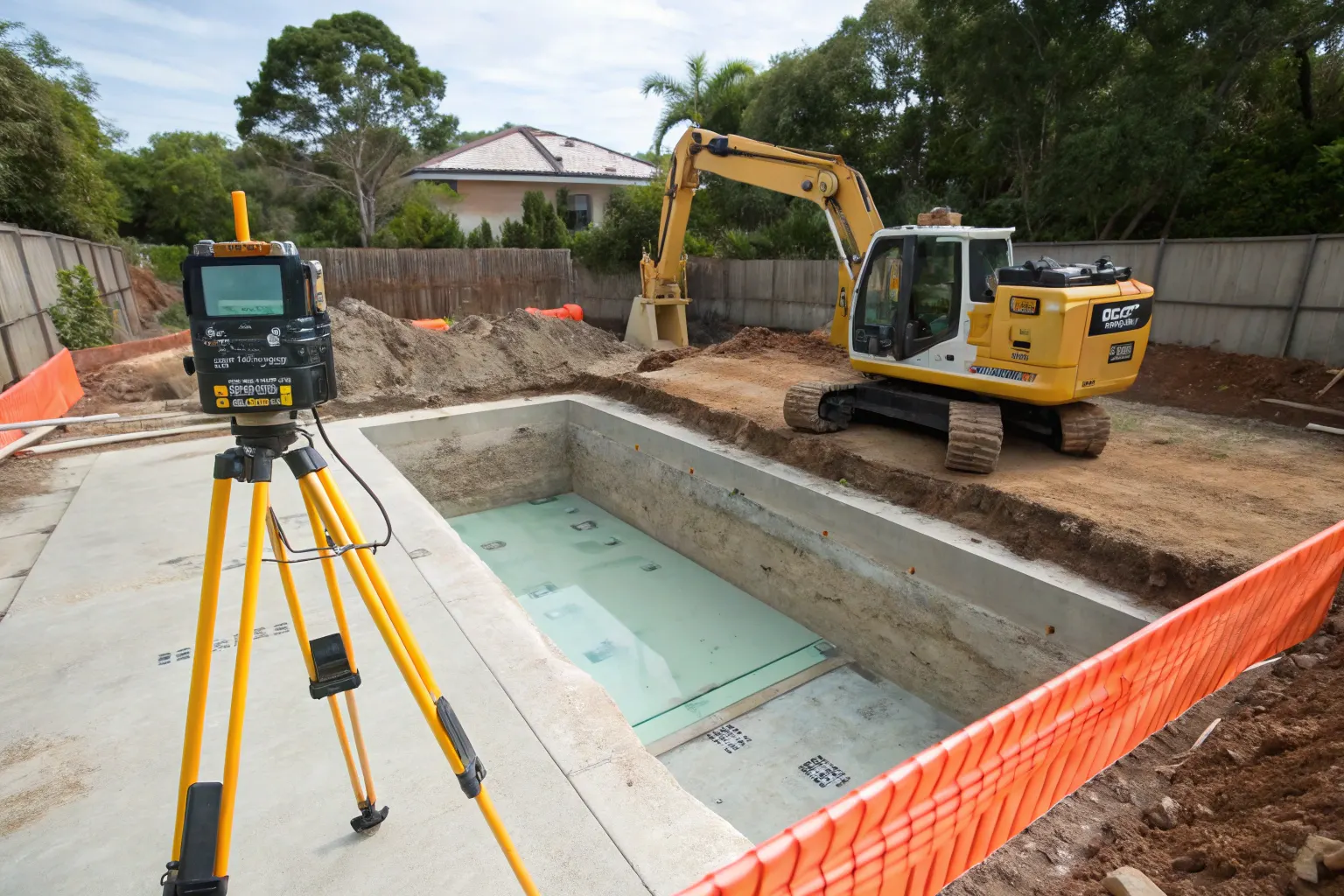
Every pool removal follows a similar sequence of steps.
The process usually starts with draining the pool and disconnecting or capping the plumbing and electrical connections. From there, the shell is demolished and the site is backfilled.
Related structures like coping or fencing are removed where required.
While the exact approach can vary by site, this general process gives you a sense of what to expect from start to finish.
Removing a Pool Ends Ongoing Registration and Compliance-Certificate Obligations
If you're weighing removal against ongoing maintenance costs, or preparing to sell, this is worth understanding.
Can I sell my house without a pool compliance certificate if the pool has been removed?
Yes. A valid compliance or non-compliance certificate is currently required when selling or leasing a property with a pool present. Once a pool is fully removed, the property is no longer considered a property with a swimming pool, so this requirement no longer applies going forward.
This obligation comes from the Swimming Pools Act 1992. After removal, owners are expected to have the pool taken off the NSW Swimming Pool Register through Council's pool inspection team.
Site Conditions Can Affect How a Newcastle Pool Removal Is Carried Out
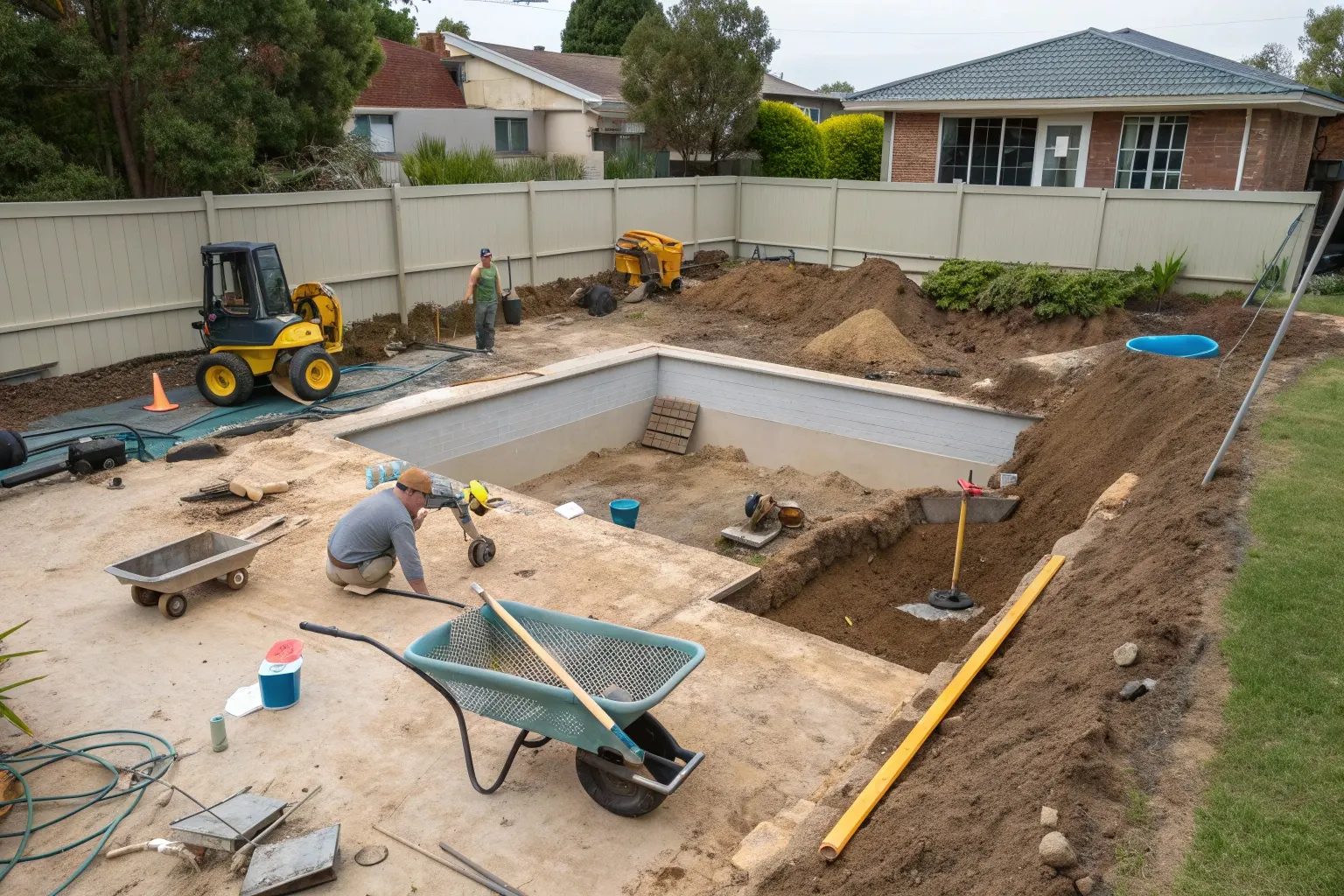
A few factors can influence how a pool removal plays out on your property. These include pool size and depth, the removal method chosen, site access, and the volume of backfill and disposal involved.
In some lower-lying parts of Newcastle, excavation work may fall within a mapped acid sulfate soils area. Where this applies, additional investigation may be triggered under the Newcastle LEP.
This isn't a factor on every site, but it's a genuine consideration worth raising early if your property is in a low-lying area.
FAQs
Do I need council approval to remove a pool in Newcastle?
Most standard pool removals in Newcastle are assessed as complying development. A development application is typically only needed where heritage listings, easements or other overlays affect the property. It's best to confirm your specific pathway with Council before booking.
What's the difference between full and partial pool removal?
Full removal takes out the entire pool shell and hauls it away, clearing the site completely. Partial removal, or fill-in, removes the top of the shell, cuts drainage holes into the base, and backfills the remainder in place, leaving part of the old structure buried on site.
Do I need to do anything with the NSW Swimming Pool Register after removing my pool?
Yes. Once your pool is removed, it should be deregistered through Council's pool inspection team.
How long does a pool removal typically take?
Timing varies depending on the removal method, pool size and site access. Every project is a little different, so timeframes are best discussed for your specific site.
What happens to the hole after my pool is removed?
The area is backfilled with approved fill material, compacted, and the site is graded as part of basic reinstatement.
Does soil type affect how a pool removal is carried out in Newcastle?
In some lower-lying areas, acid sulfate soils can be a factor that requires investigation under the Newcastle LEP. This isn't the case everywhere, but it's worth checking if your property sits in a low-lying area.
Ready to Get Started?
Request your free, no-obligation quote and we'll get back to you fast.
Get a Quote