
Newcastle & The Hunter
Pool Backfilling Services in Newcastle
- Licensed Pool Builder
- 10+ Years Experience
- Free, No-Obligation Quotes
Get a Free Quote
Tell us about your project — we'll get back to you fast.
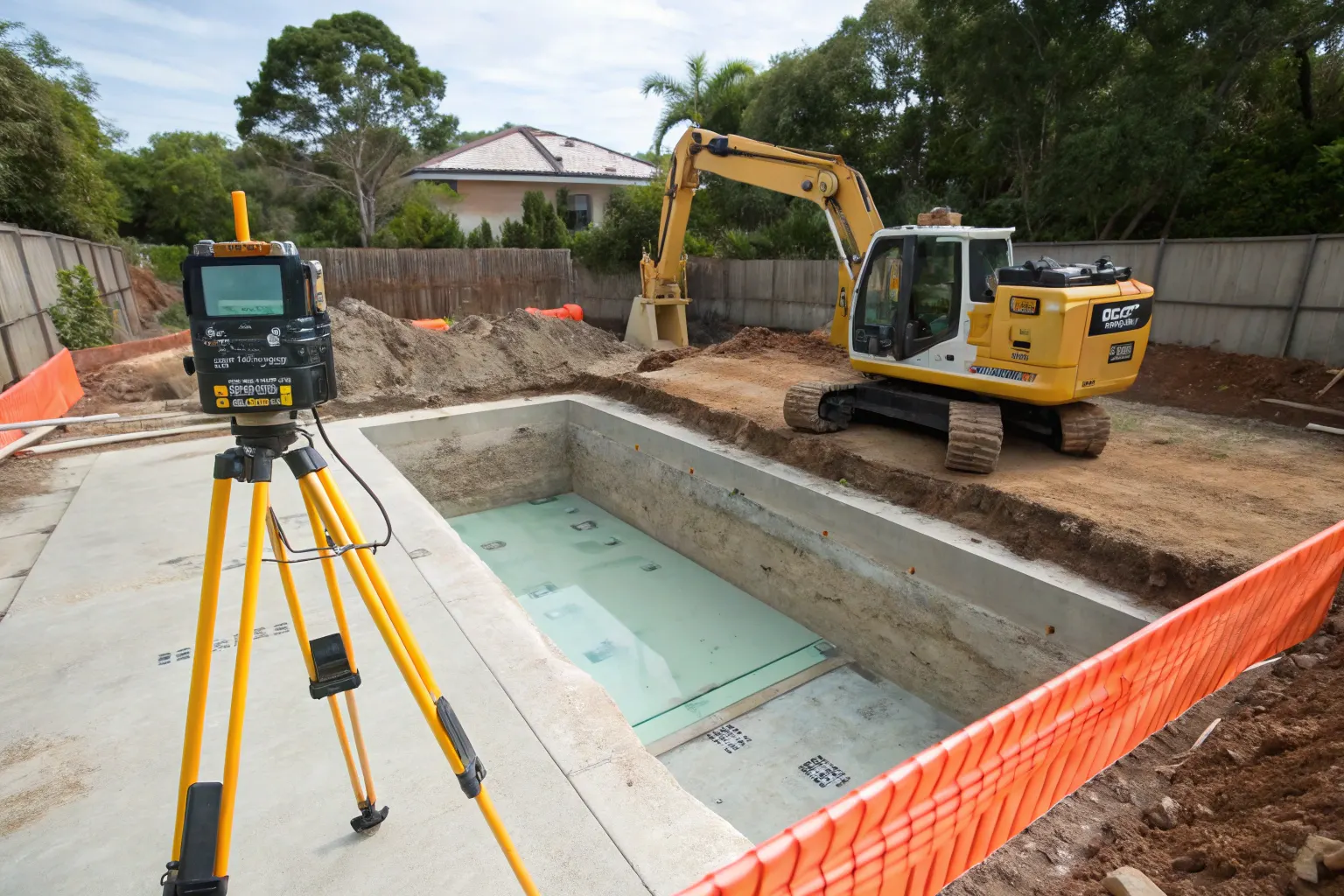
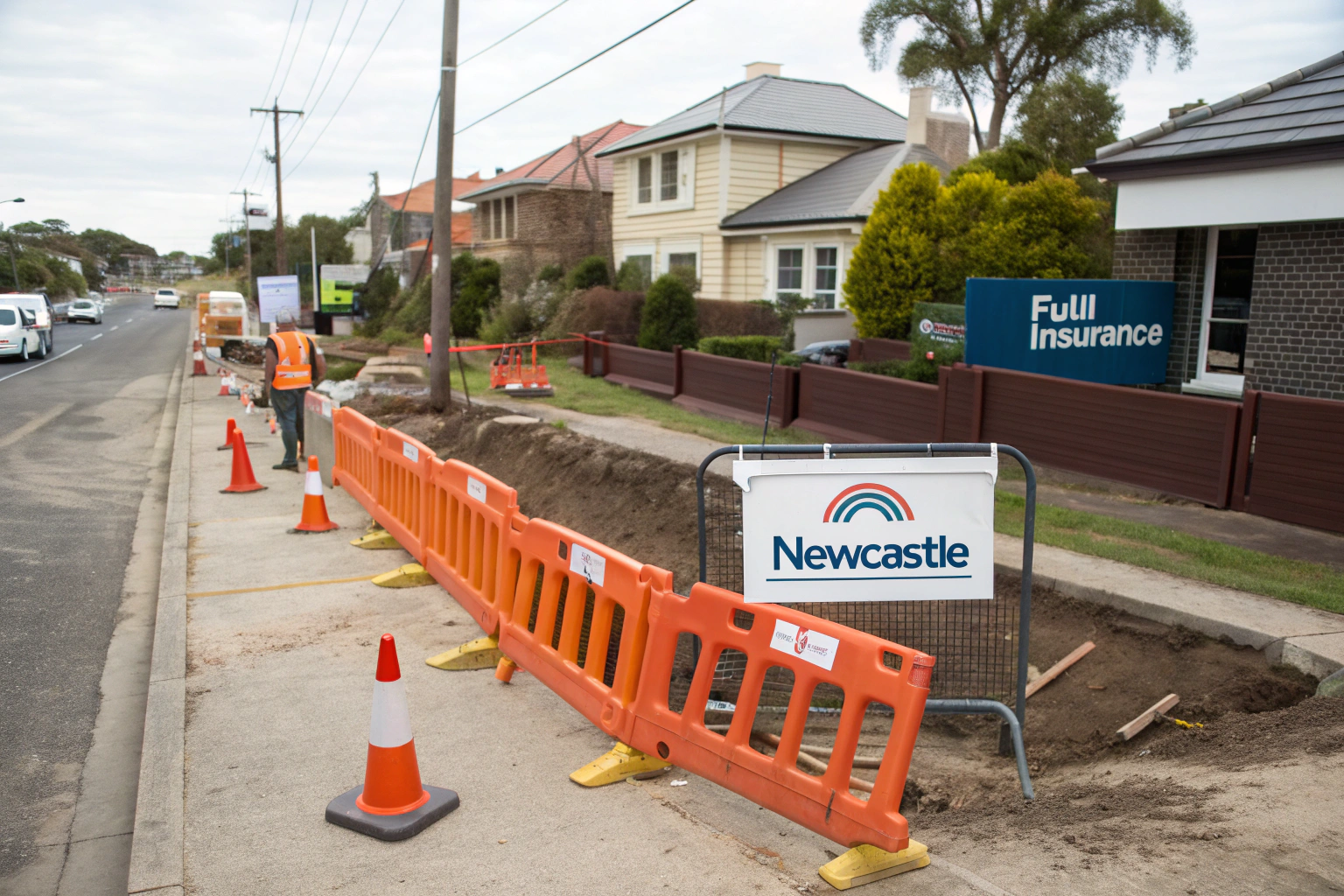
Backfilling is a structural step in every new in-ground pool build. Once your pool shell is in place, the space between the shell and the excavation wall needs to be filled and compacted correctly. Getting this stage right matters, because it affects whether your shell stays supported over time, without settling, bulging, or placing stress on nearby plumbing.
This page explains what backfilling is, why it matters, and what to expect during this part of your pool installation.
What Pool Backfilling Is and Why It's a Structural Necessity
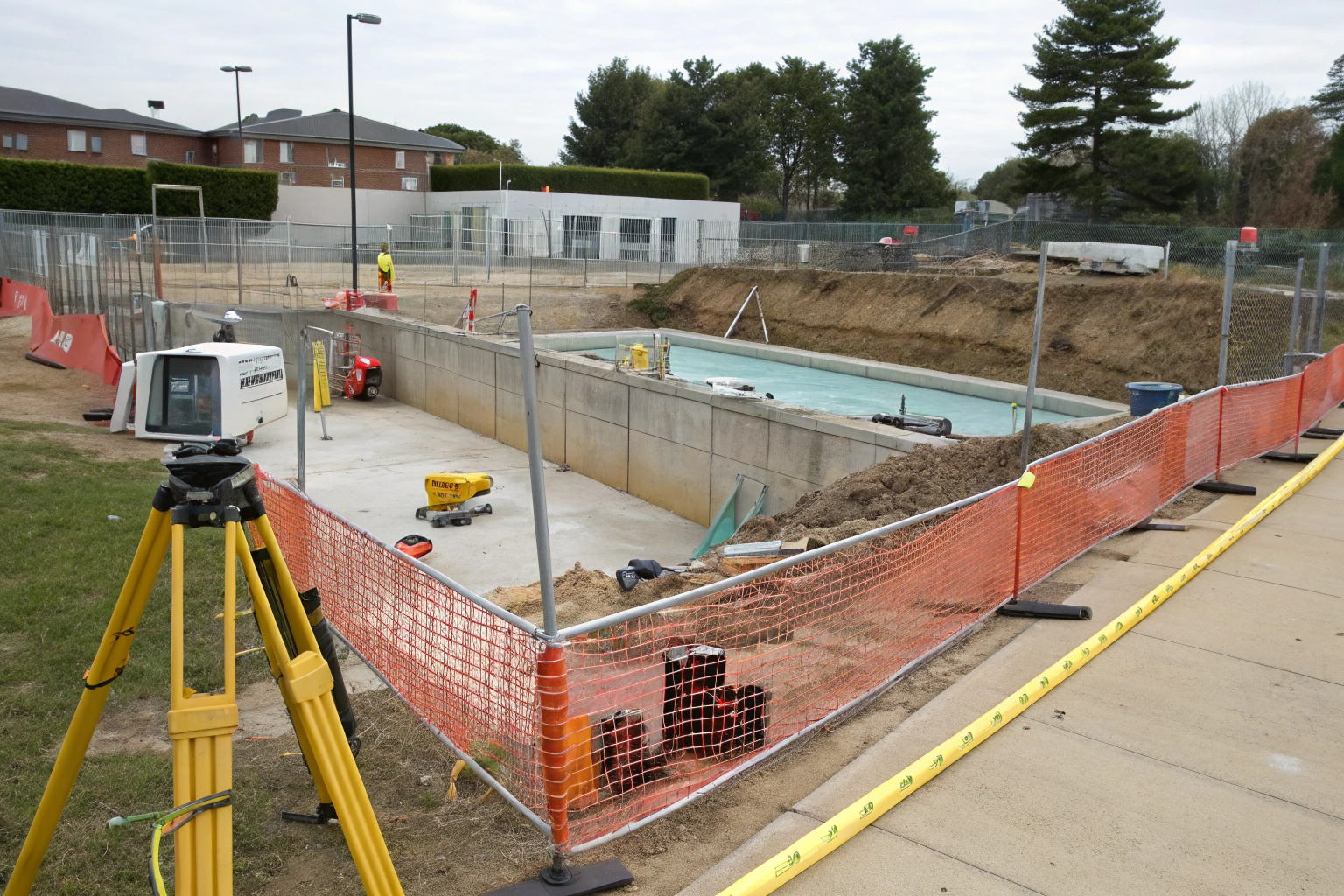
Backfill is the material placed and compacted between your pool shell and the wall of the excavation. It's different from the bedding material laid beneath the shell before installation. Backfilling is one stage within the wider excavation process for a pool build.
Backfilling is recognised as its own stage of pool installation under AS 1839:2021, the Australian standard covering in-ground pool installation.
Placing and compacting backfill correctly can help prevent the shell from shifting, bulging, or settling over time. This isn't a guaranteed outcome for every pool, but it reflects why the industry treats this stage with care.
Choosing Suitable Backfill Materials for Your Pool
Sand and crushed stone or aggregate are commonly used backfill materials. Both are considered workable options for this stage of installation.
Clay, organic soils, and other materials prone to swelling or shrinkage should not be used as backfill.
The right material for your site can depend on factors like soil conditions and site access.
How Newcastle's Reactive Clay Soils Can Affect Backfill Material Choices
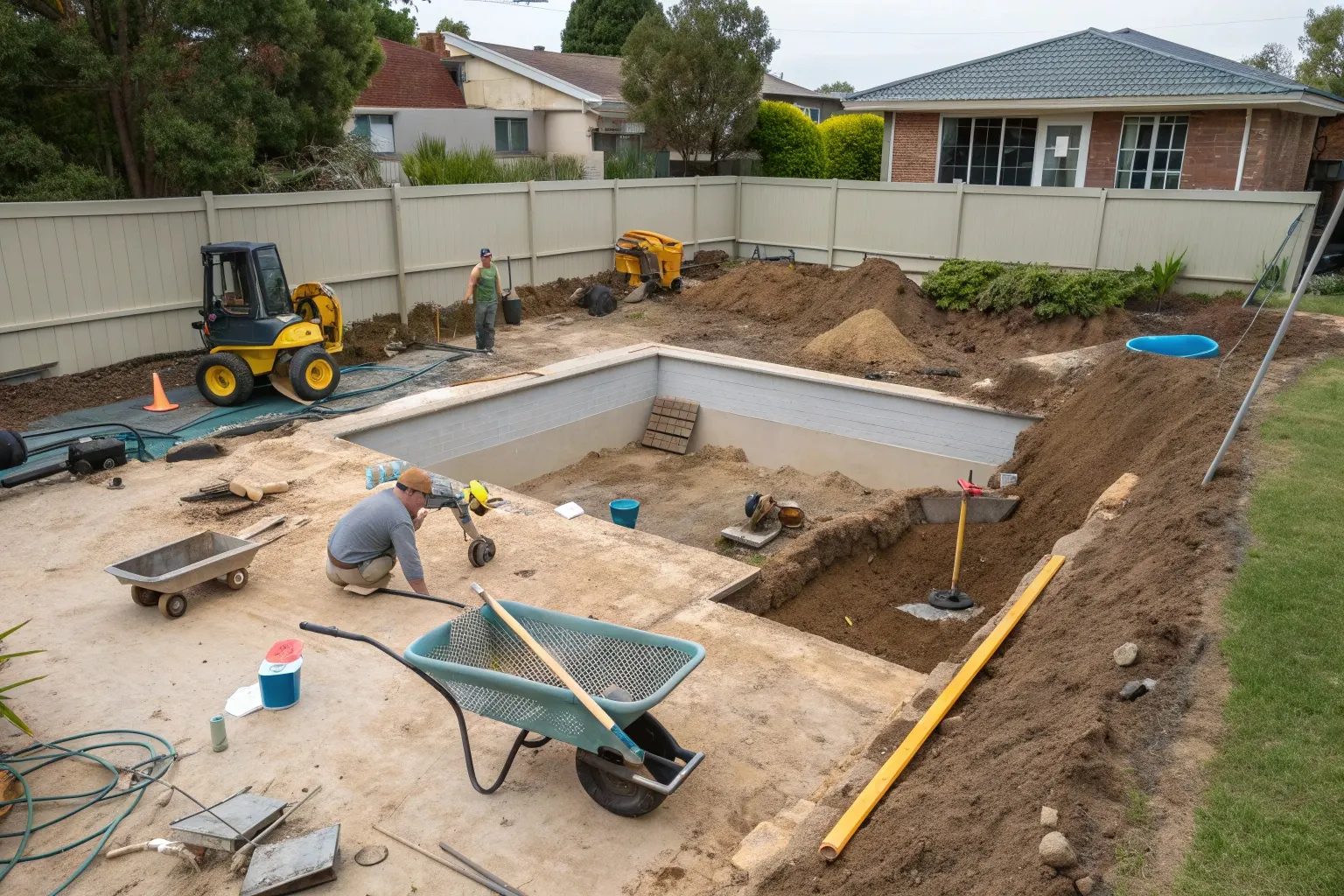
Reactive clay soils are well documented across the wider Hunter and Newcastle region. This is a recognised geotechnical characteristic of the area, not a general assumption.
AS 1839:2021 includes a dedicated section addressing installation in reactive clay soils, covering the seasonal and differential ground movement these soils can produce.
Because clay itself is unsuitable as a backfill material, the soil conditions on your site can influence which backfill approach is appropriate. This connection depends on your specific site, not every property in the region.
You can read more about this documented local condition in an overview of engineering geology and geotechnical challenges in the Newcastle region , published by researchers from the University of Newcastle.
How Backfill Is Placed and Compacted During Installation
Backfill material is typically placed and compacted in stages, generally rising alongside the water level inside the shell. This staged approach is a commonly used method rather than a fixed regulatory requirement.
Because backfill is hidden once the work is finished, understanding the process beforehand can help you know what correct installation looks like.
Backfilling vs Filling a Pool: Why the Difference Matters
"Backfilling" refers to this structural stage of a new pool build. It's different from "filling in" a pool, which usually means decommissioning an old pool, and different again from simply filling a pool with water.
This page focuses on backfilling as part of new pool installation, not on decommissioning or water filling.
FAQs
What's the difference between "filling" and "backfilling" a pool?
Backfilling refers to the structural stage of a new pool installation, where material is placed and compacted between the shell and the excavation wall. This is different from "filling in" a pool, which usually means decommissioning an old pool, and different again from filling a pool with water.
Can clay soil be used as backfill?
Clay and organic soils are generally excluded as backfill material. This is relevant in the Newcastle and Hunter region, where reactive clay soils are a documented geotechnical condition.
Is sand or crushed stone better for backfill?
Sand and crushed stone are both commonly used backfill materials. Which one suits your project can depend on site conditions, and industry guidance generally treats them as comparable, workable options rather than one being universally better.
What are common backfilling mistakes?
Industry sources point to issues like using unsuitable material or inadequate compaction as common mistakes during this stage. These are general, non-regulatory examples rather than claims about any specific installer's work.
How is backfill placed and compacted during a pool build?
Backfill is typically placed and compacted in stages, generally rising alongside the water level inside the shell. This is a commonly used method rather than a mandated procedure.
Ready to Get Started?
Request your free, no-obligation quote and we'll get back to you fast.
Get a Quote